Restoration & Repointing

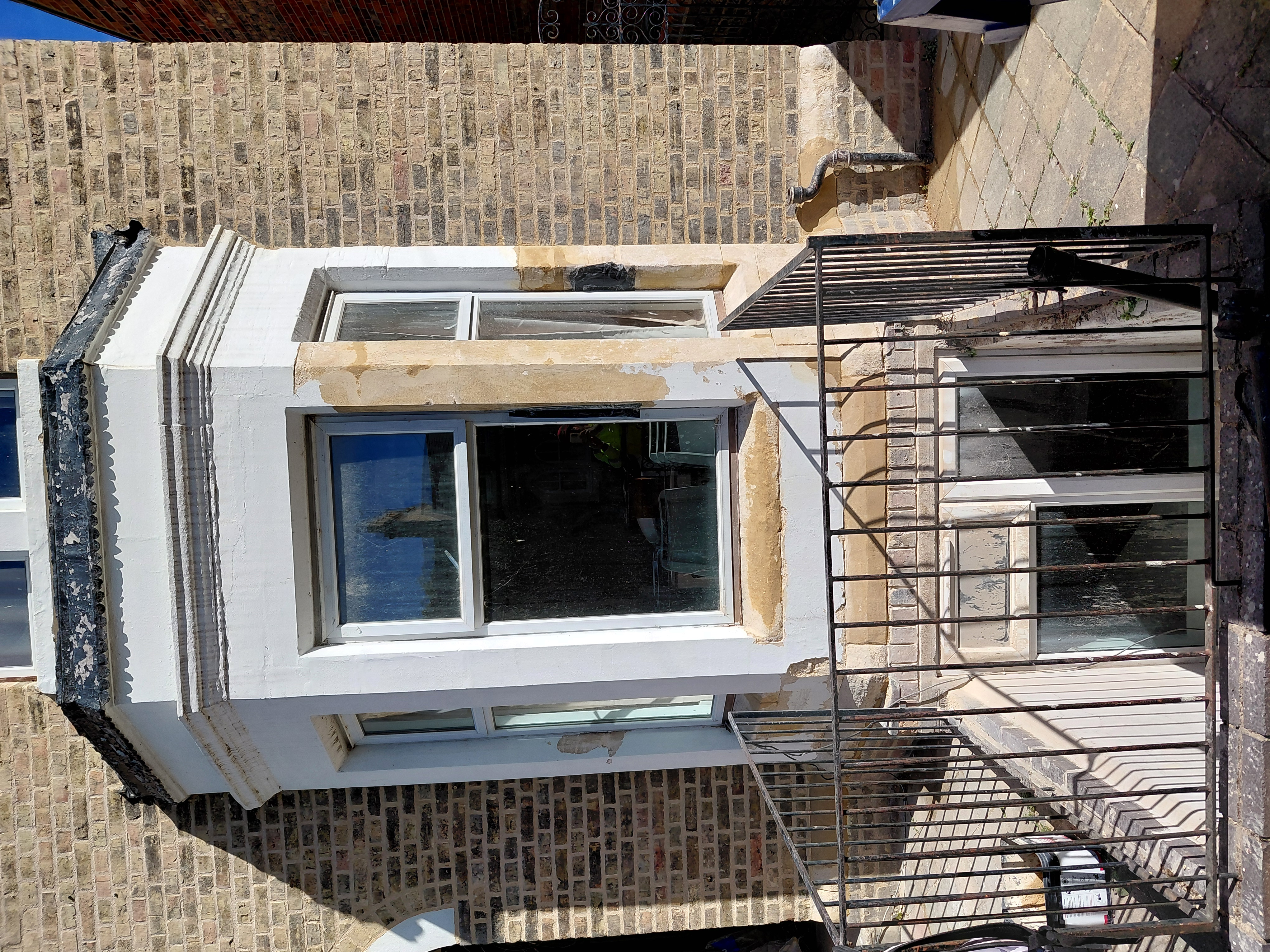
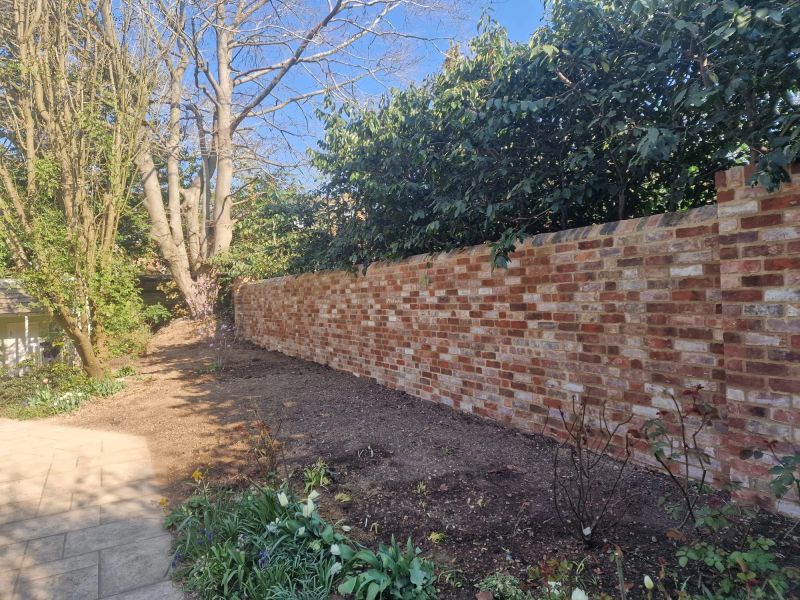
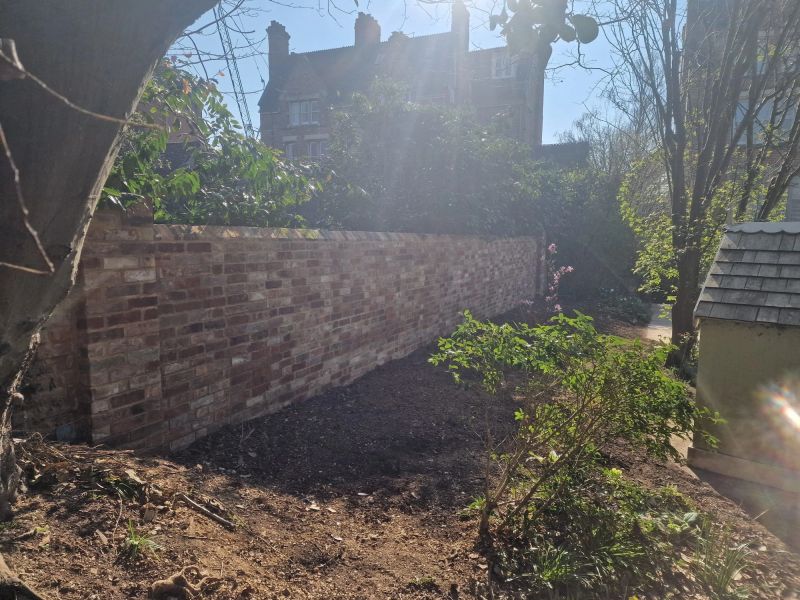
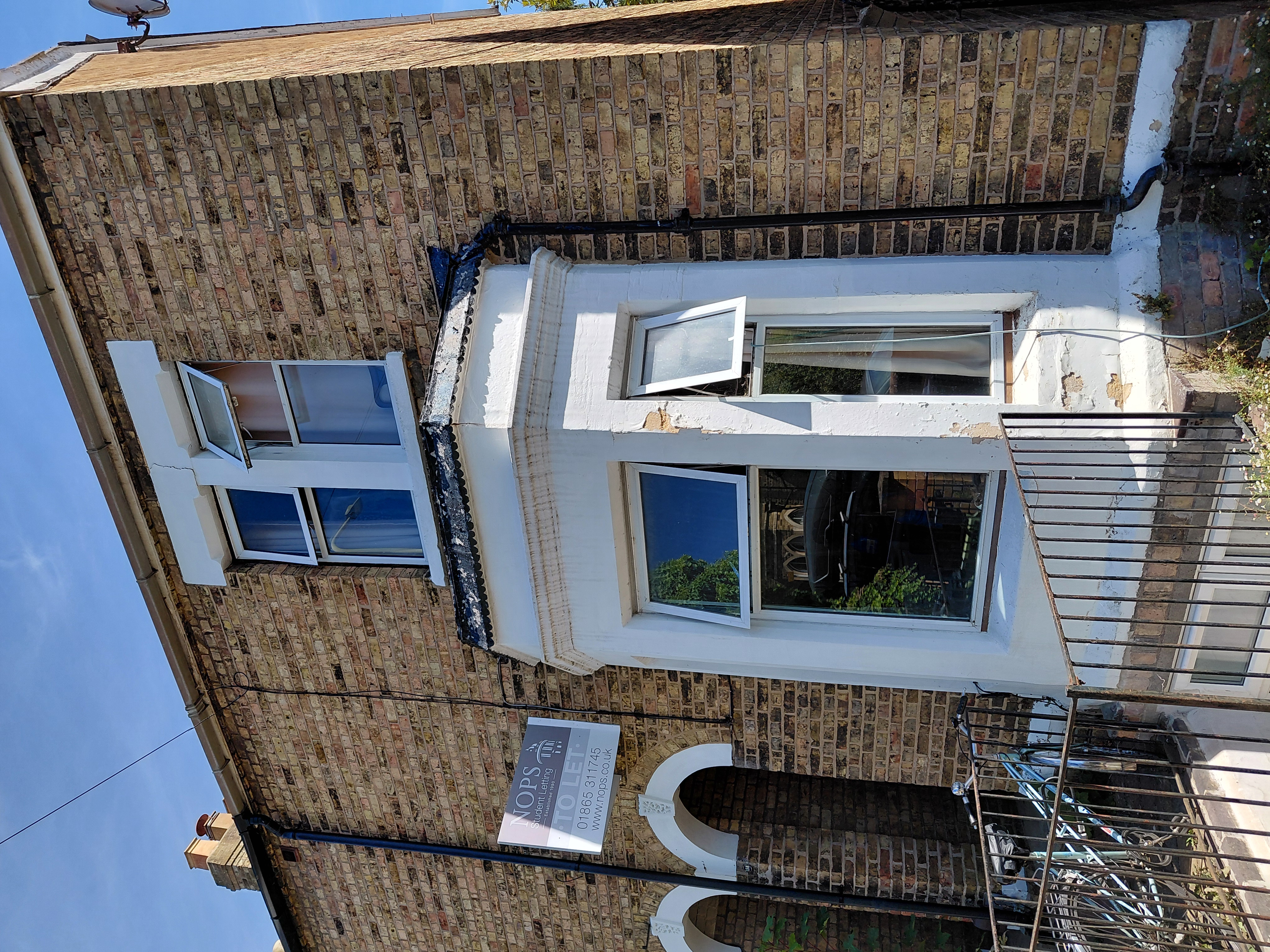
Preserving the character, structural integrity, and historic value of older buildings requires specialized skills and traditional techniques. At Bicester Heritage Brickwork, we provide premium brick and stone restoration services. We combine vast experience with historic masonry conservation methods to breathe new life into period properties, ensuring they remain structurally sound and visually striking for generations to come.
Our Restoration Services
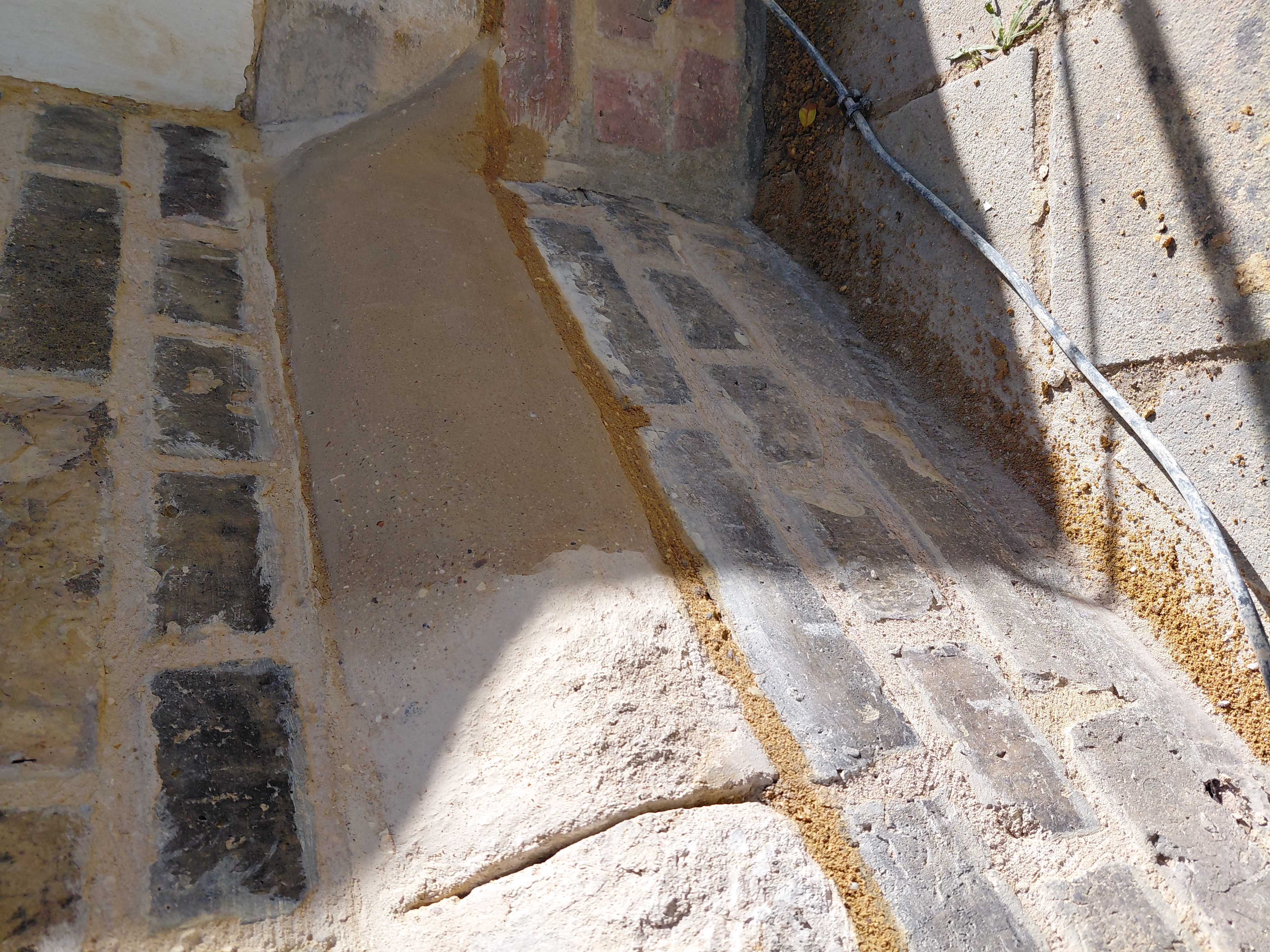
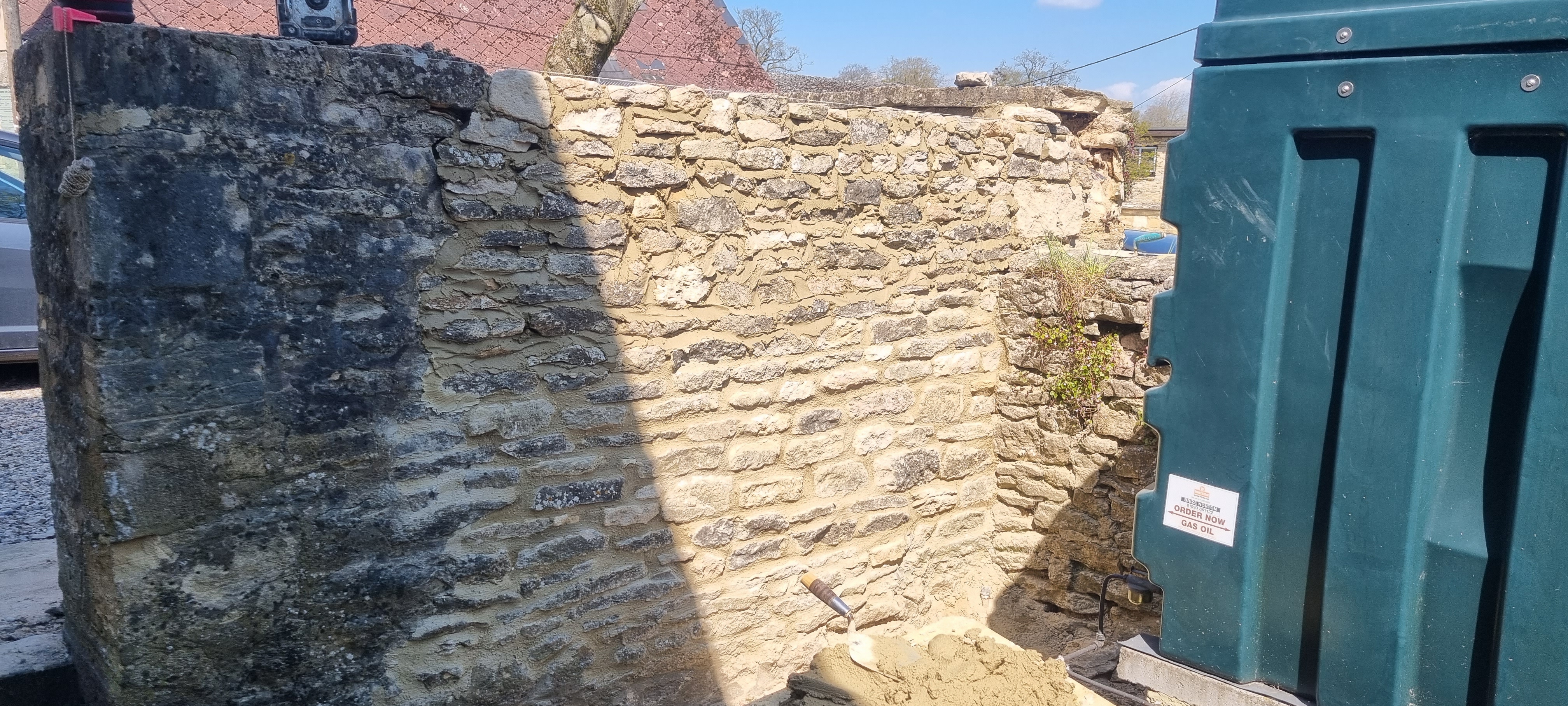
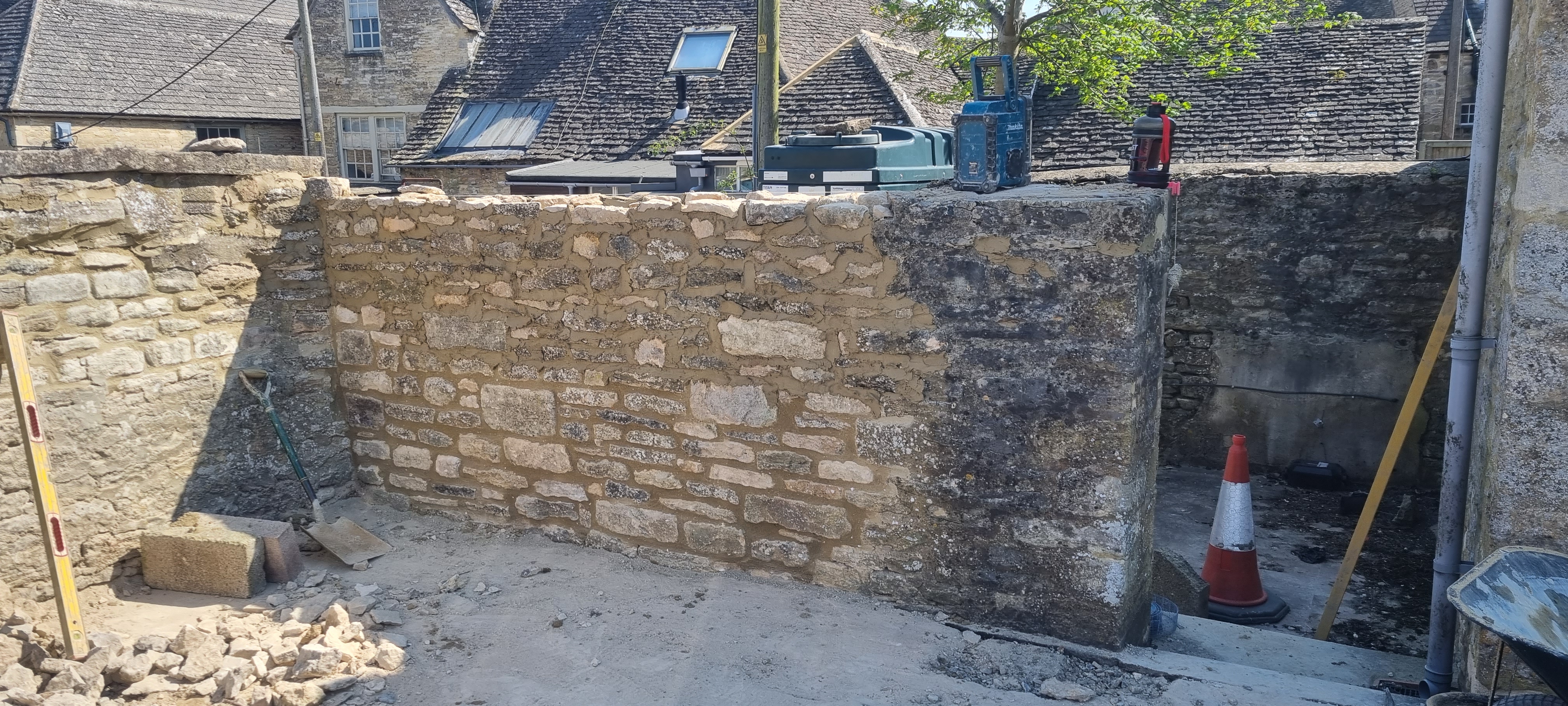
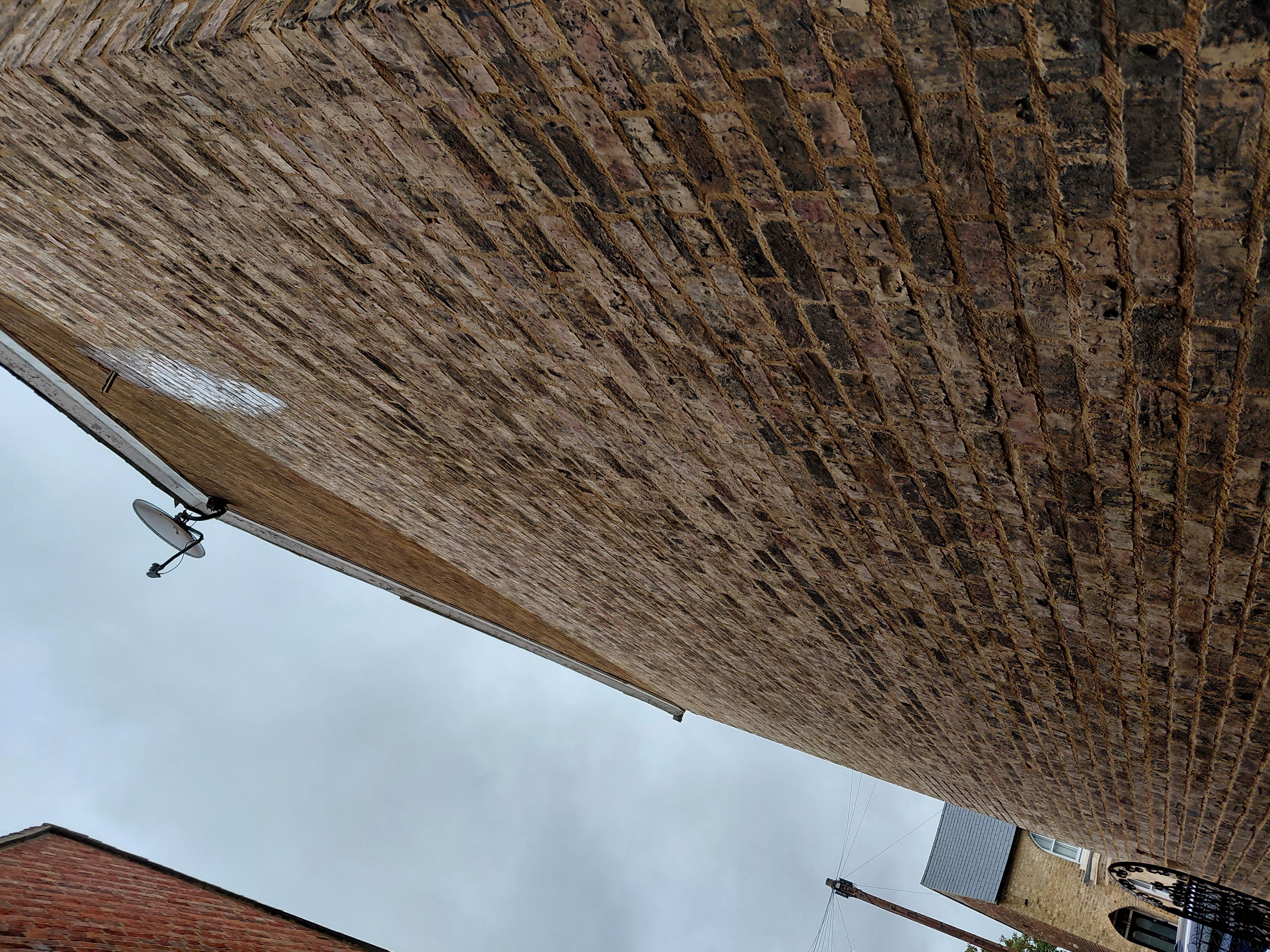
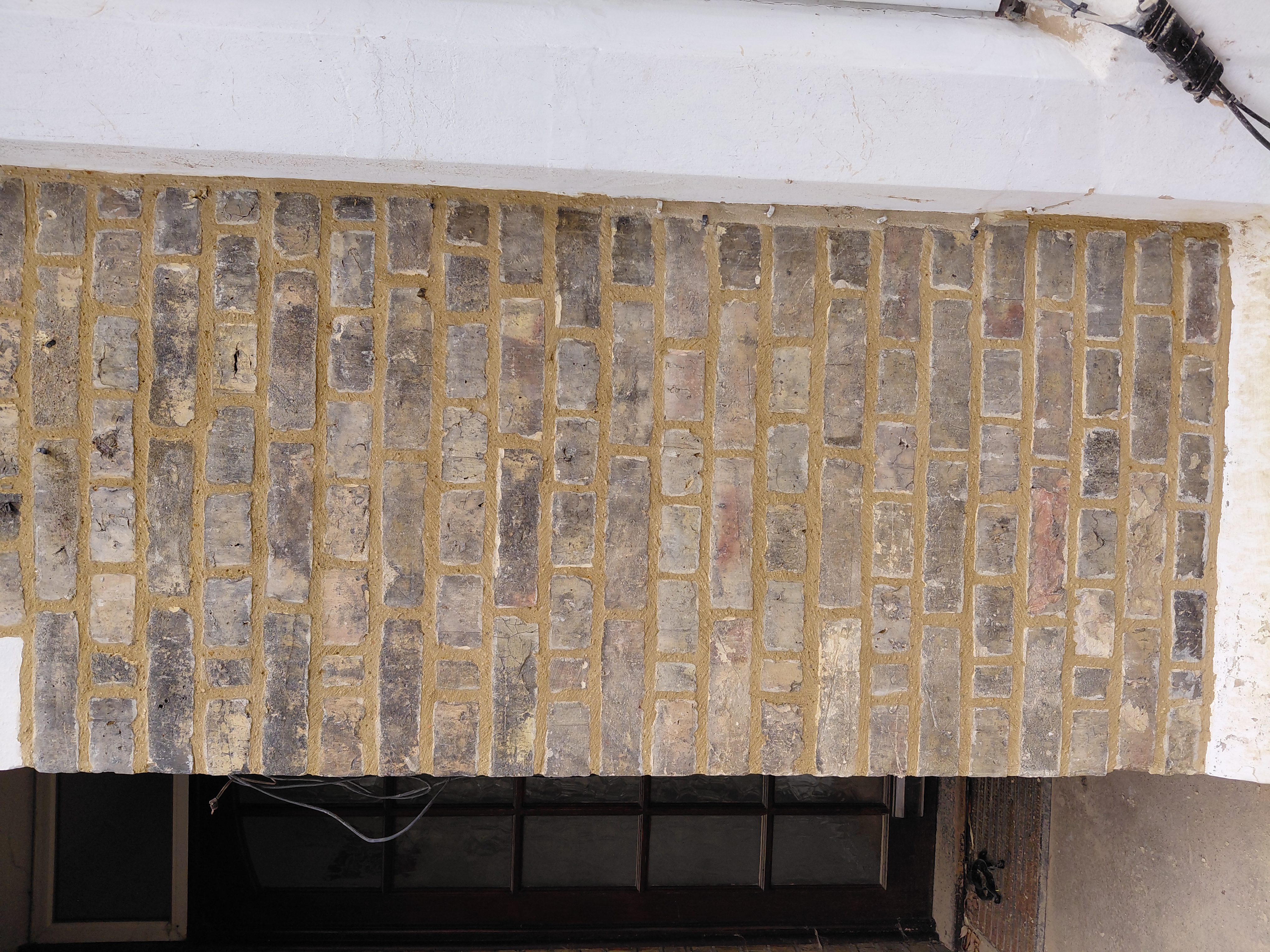
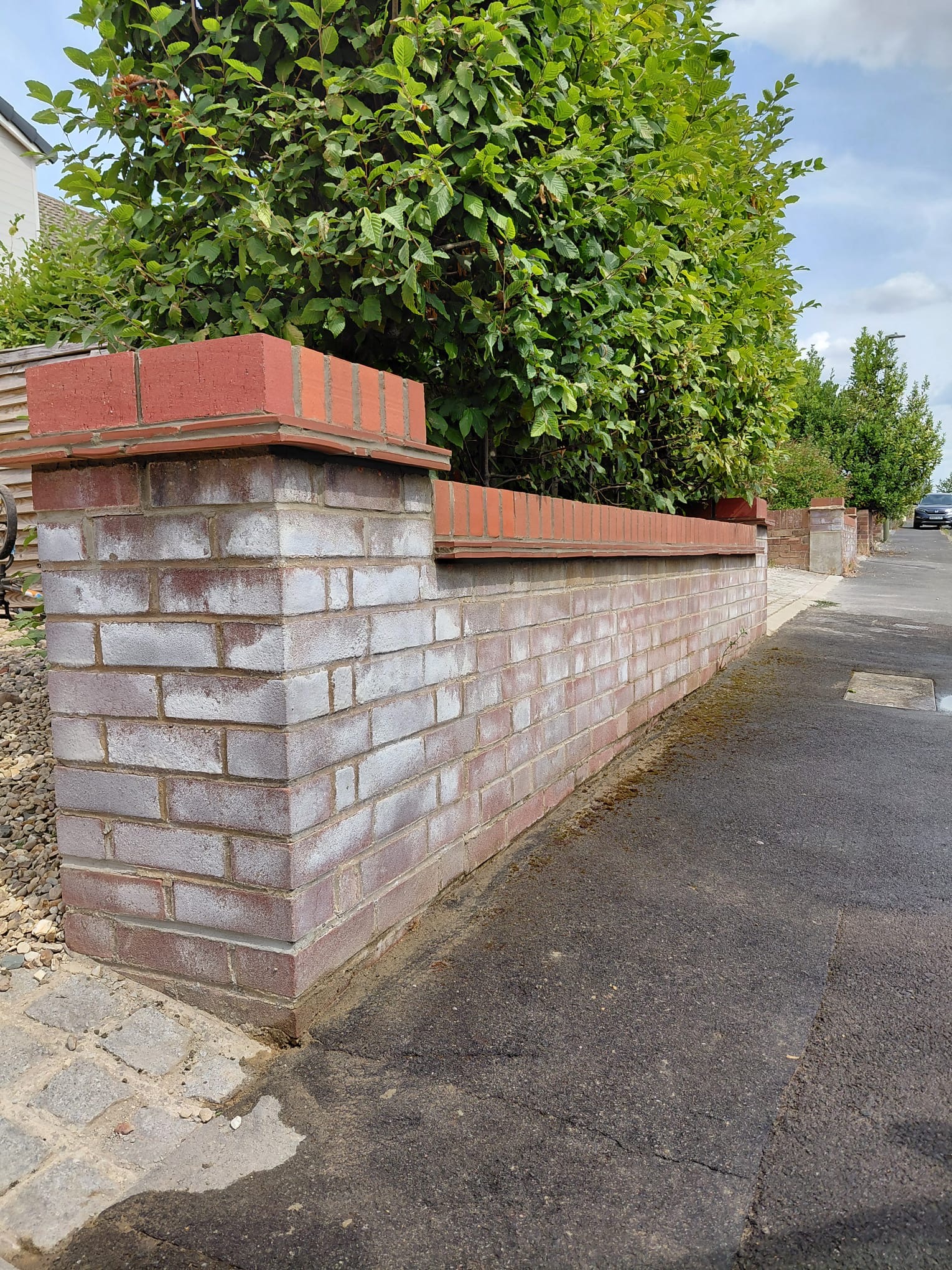
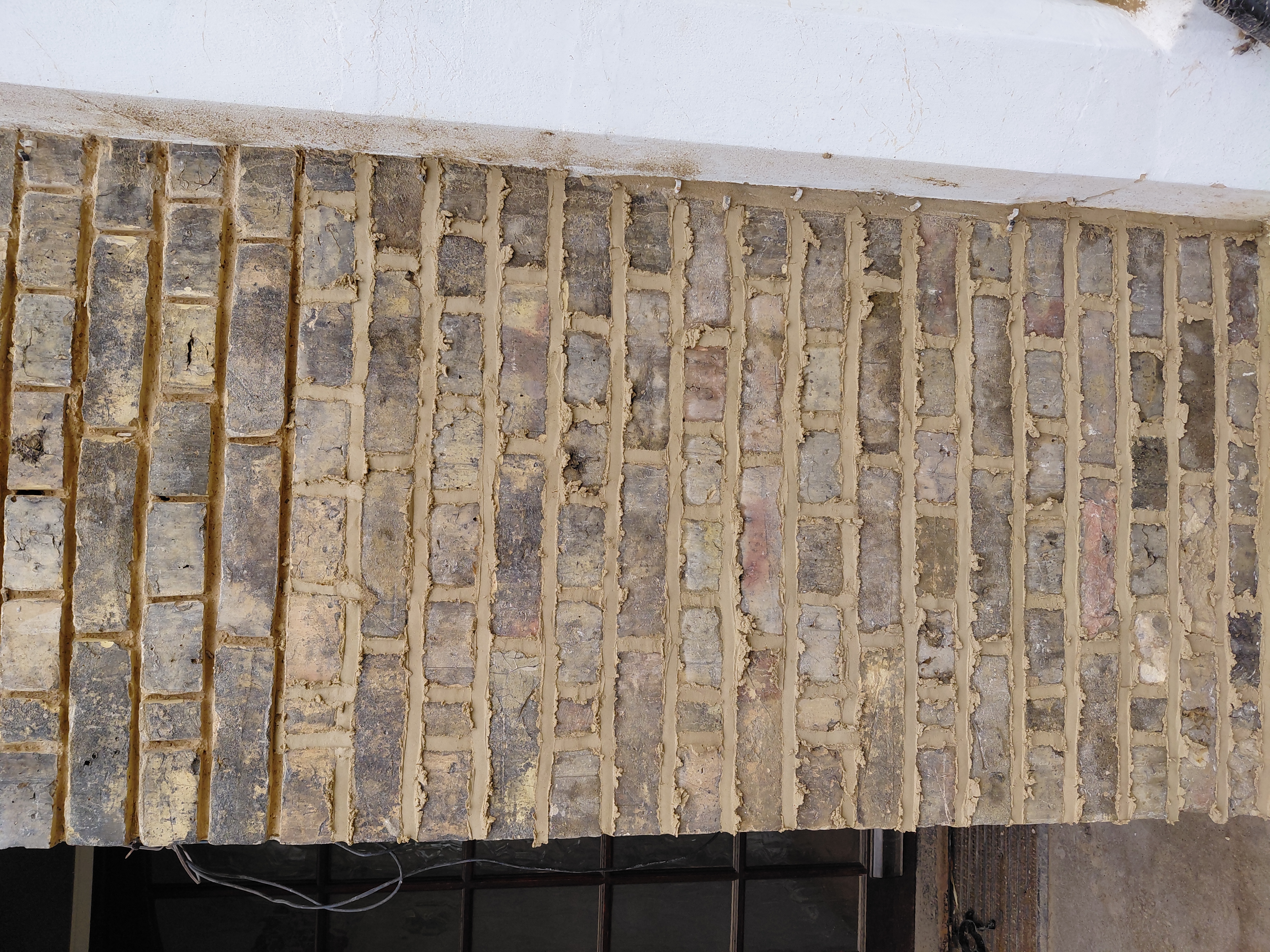
Traditional Lime Mortar Repointing
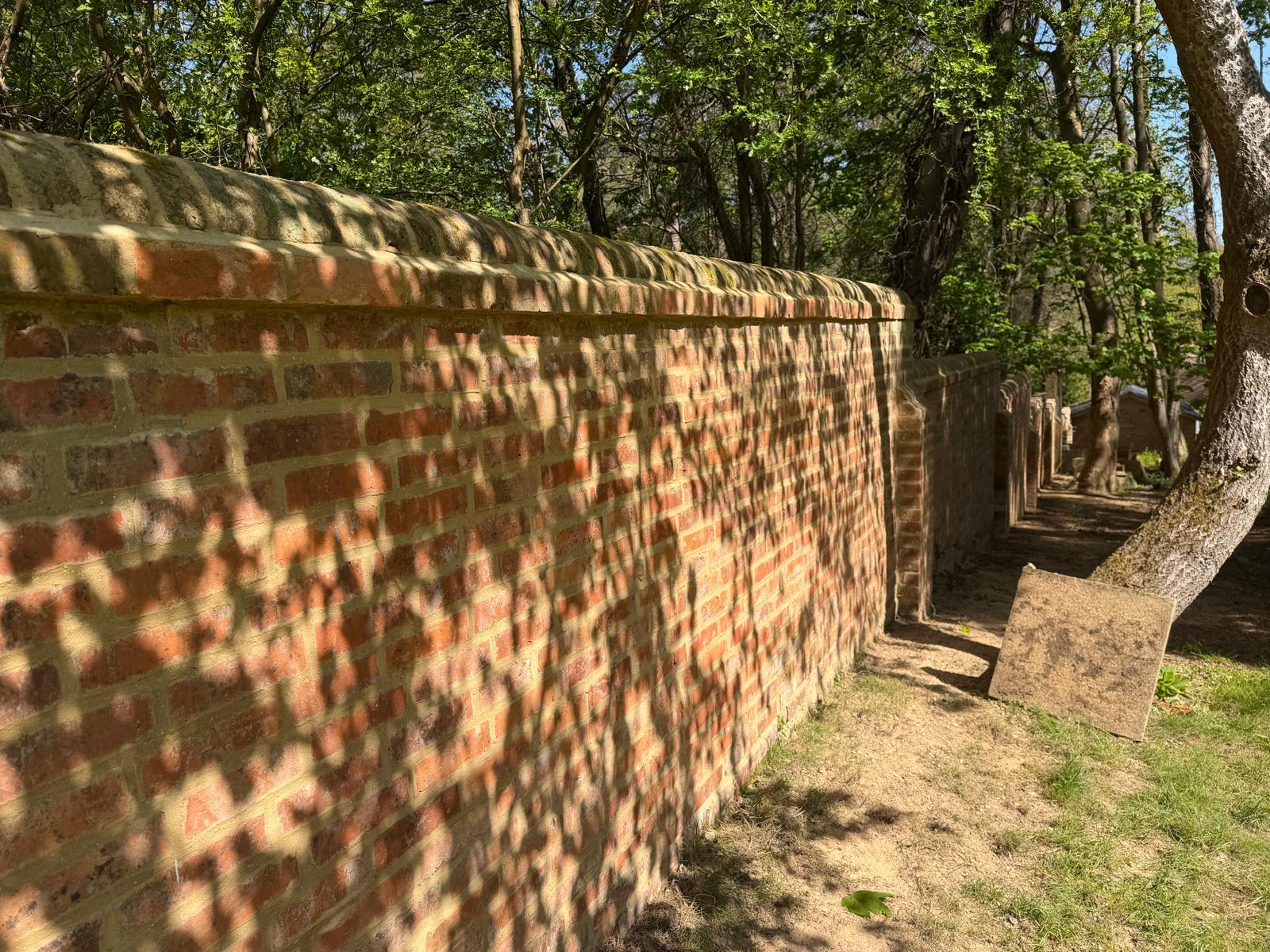
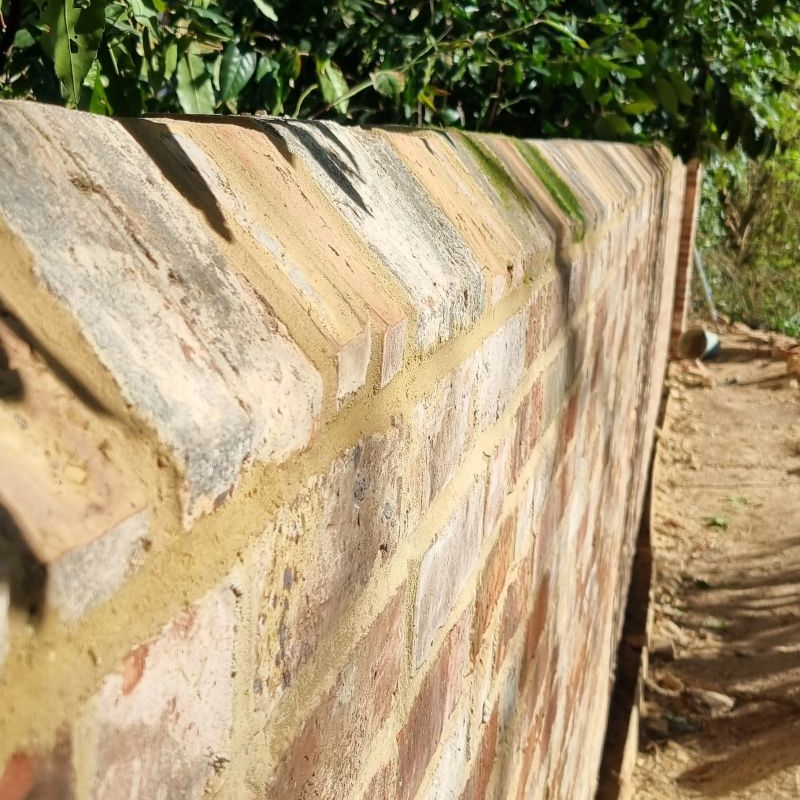
We specialize in the use of traditional lime mixes (non-hydraulic and hydraulic) rather than modern cement, allowing historic brickwork to breathe naturally. We offer a variety of traditional joint finishes,
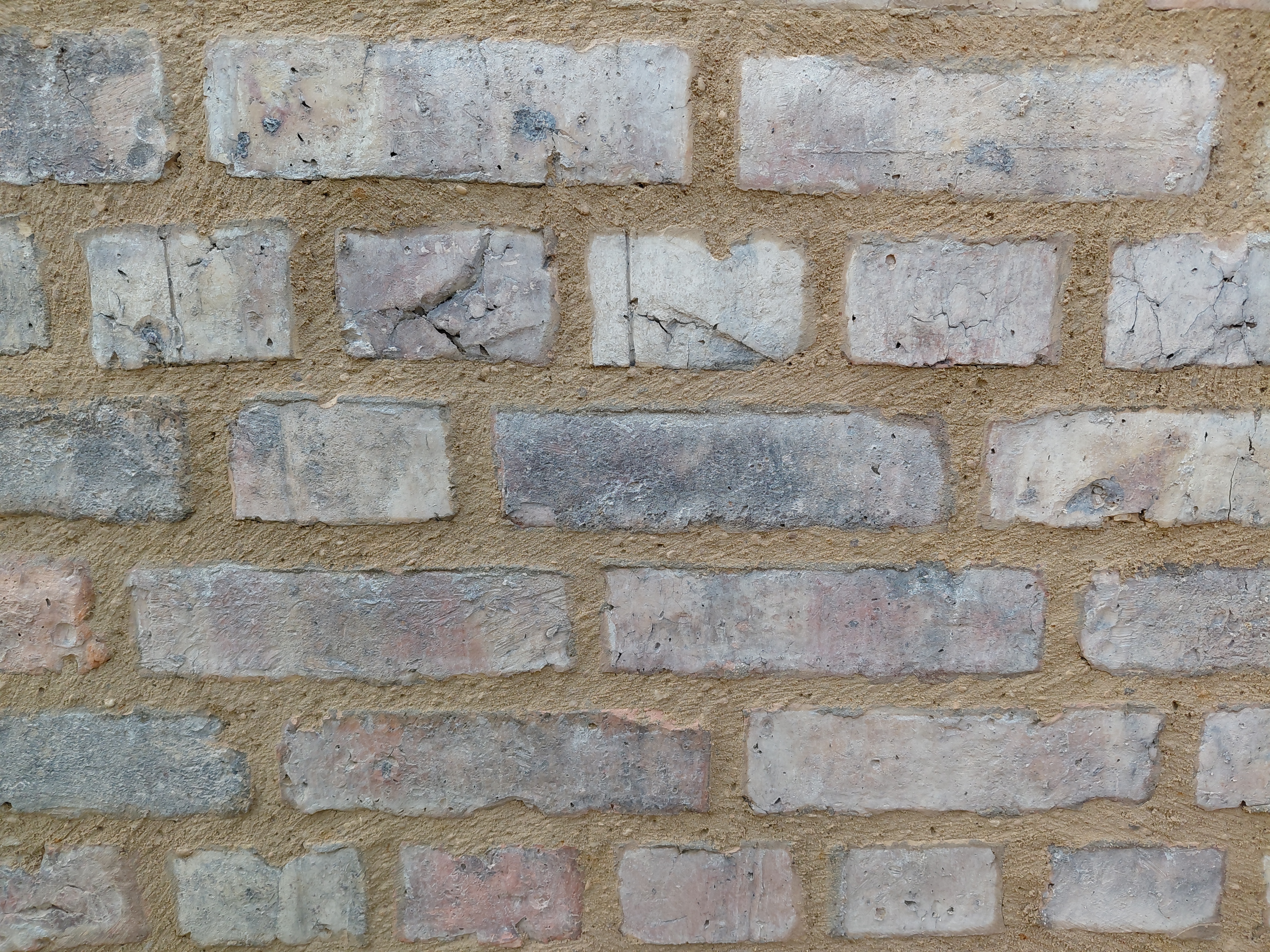
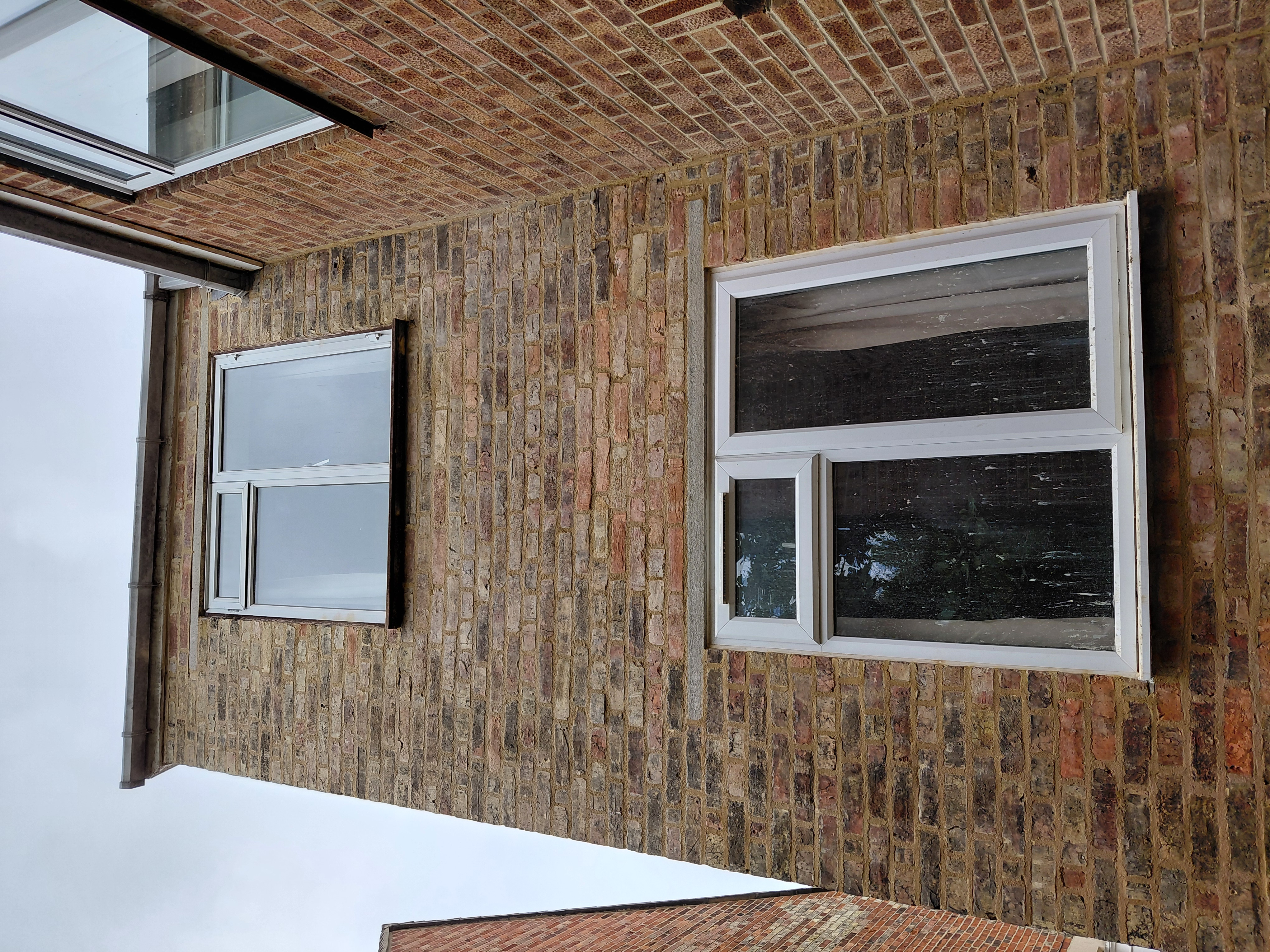
Precision Colour Matching
Spalled & Damaged Brickwork Repairs
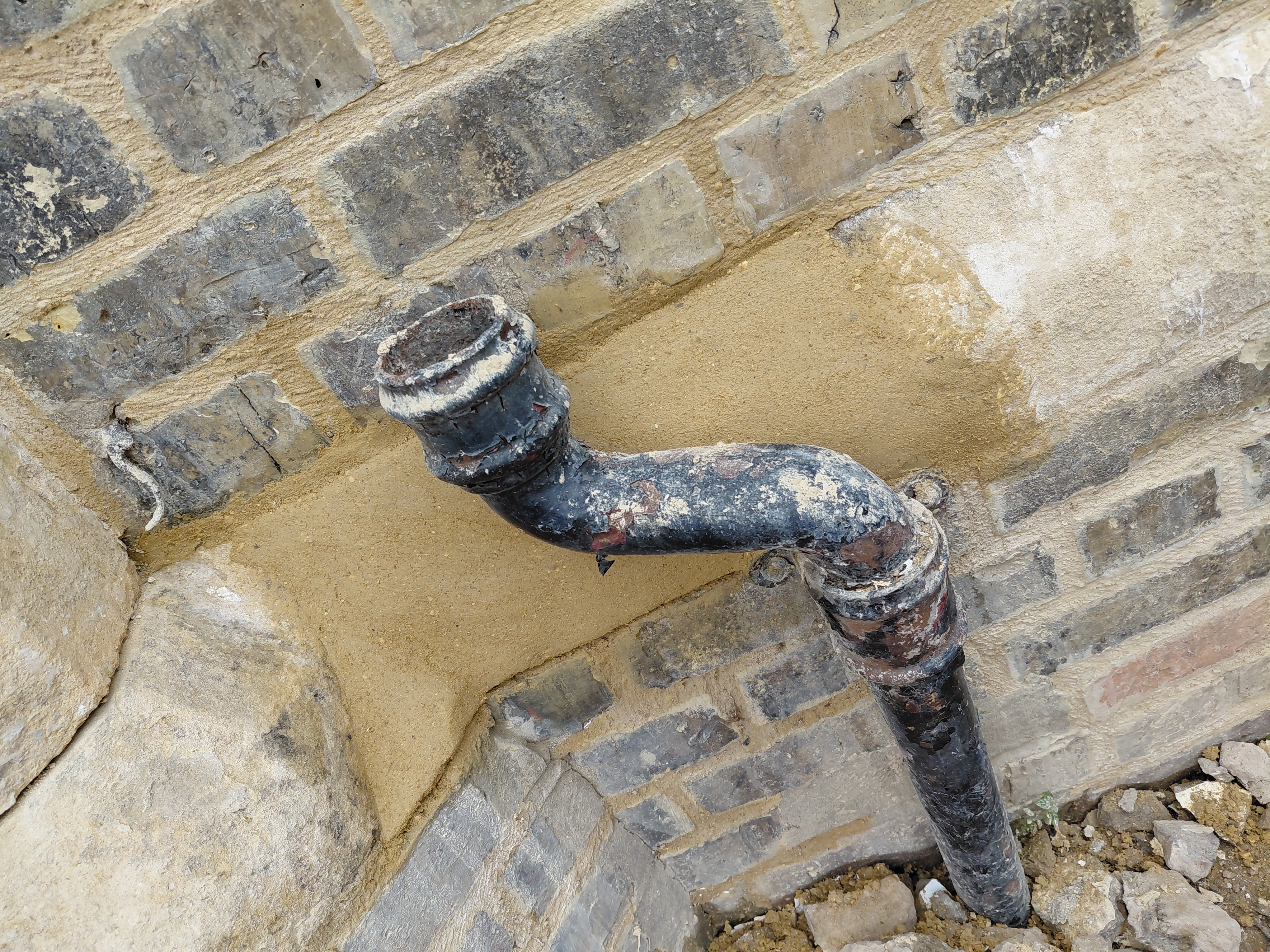
We carefully extract blown, spalled, or decaying bricks without damaging the surrounding masonry, replacing them with carefully sourced, period-accurate reclaimed bricks that match the original size, texture, and colour.
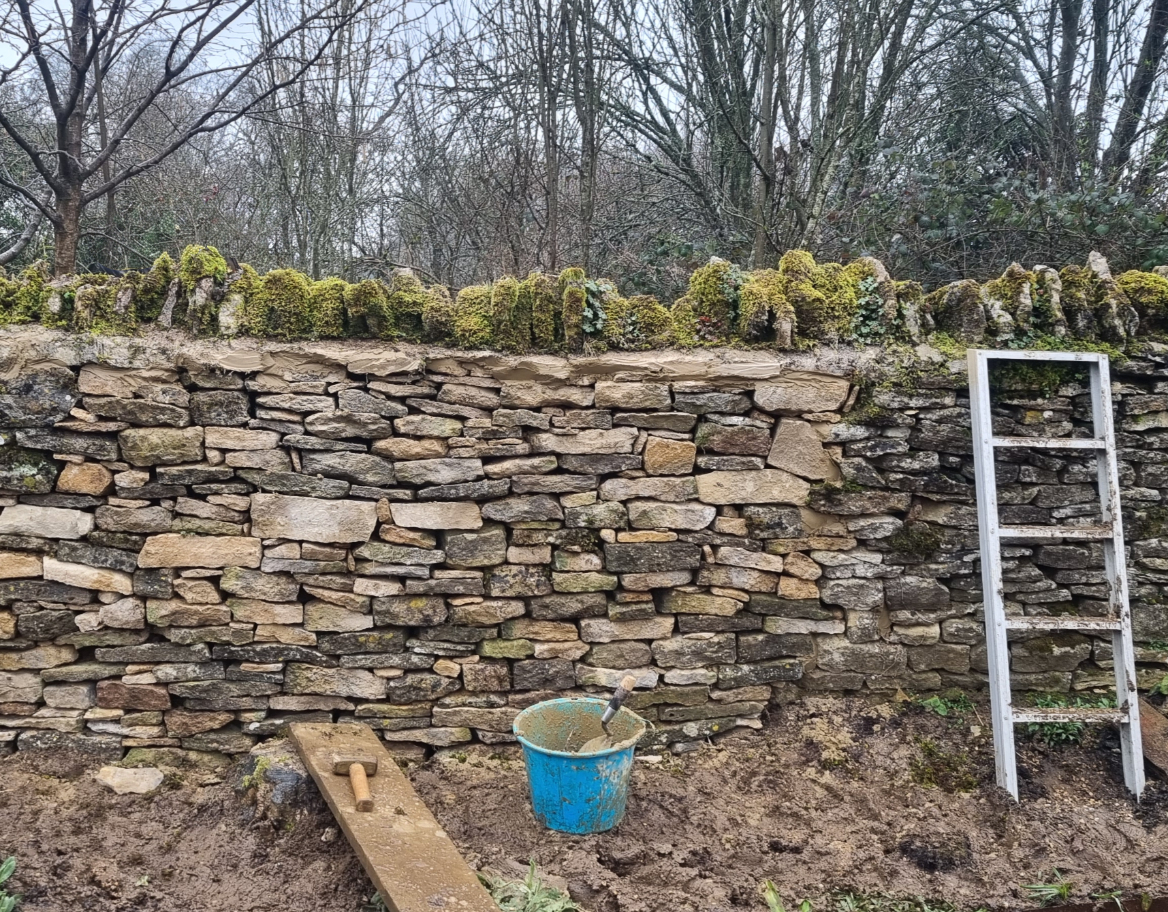
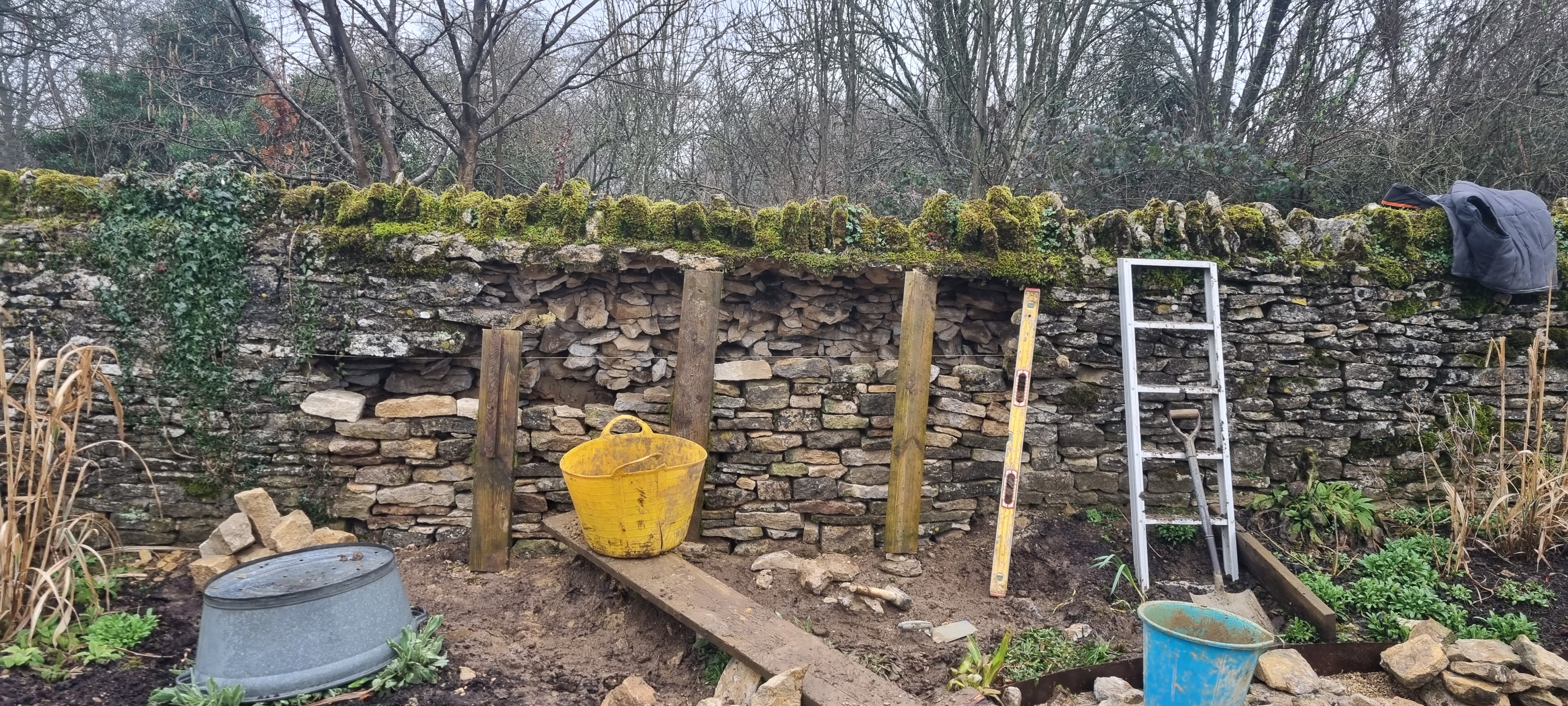
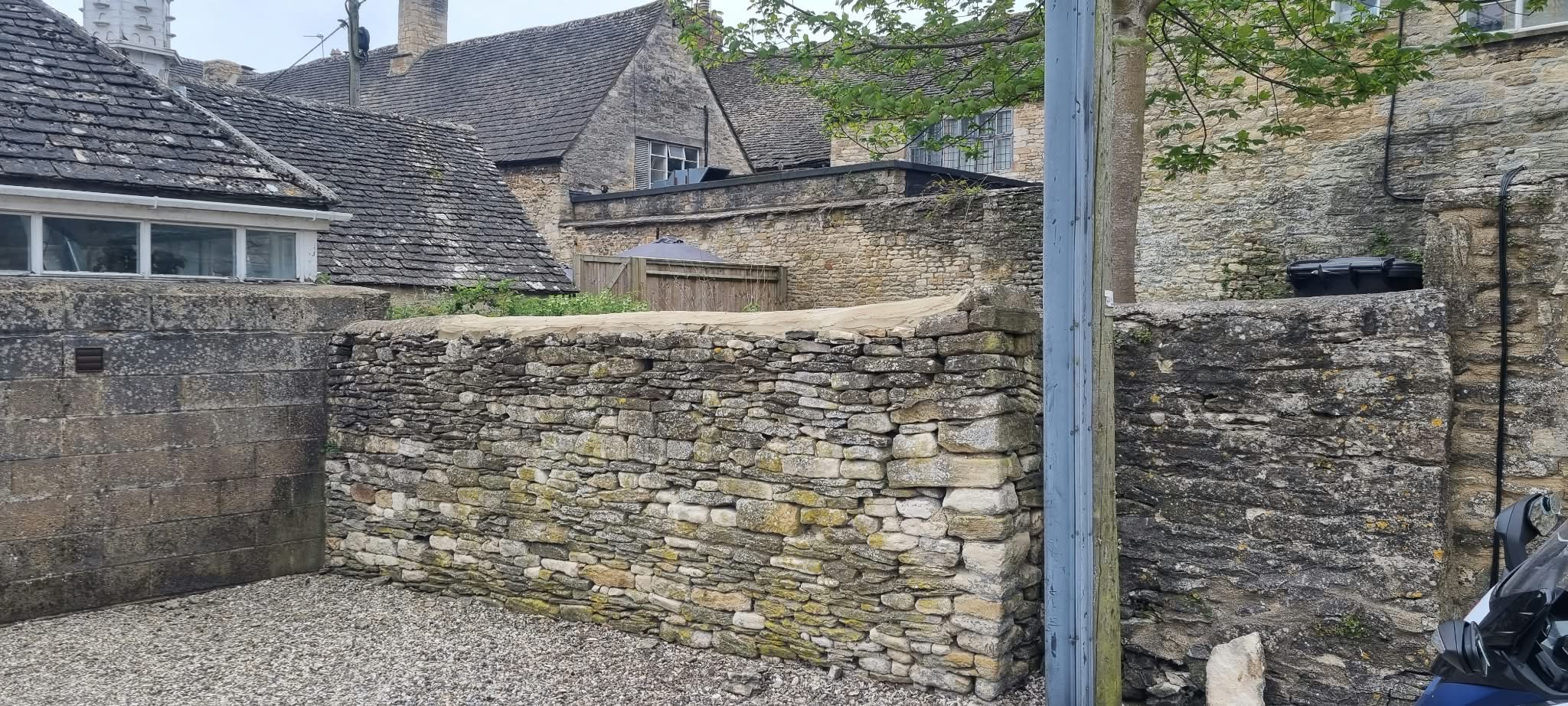
Stone Capping & Coping Repairs
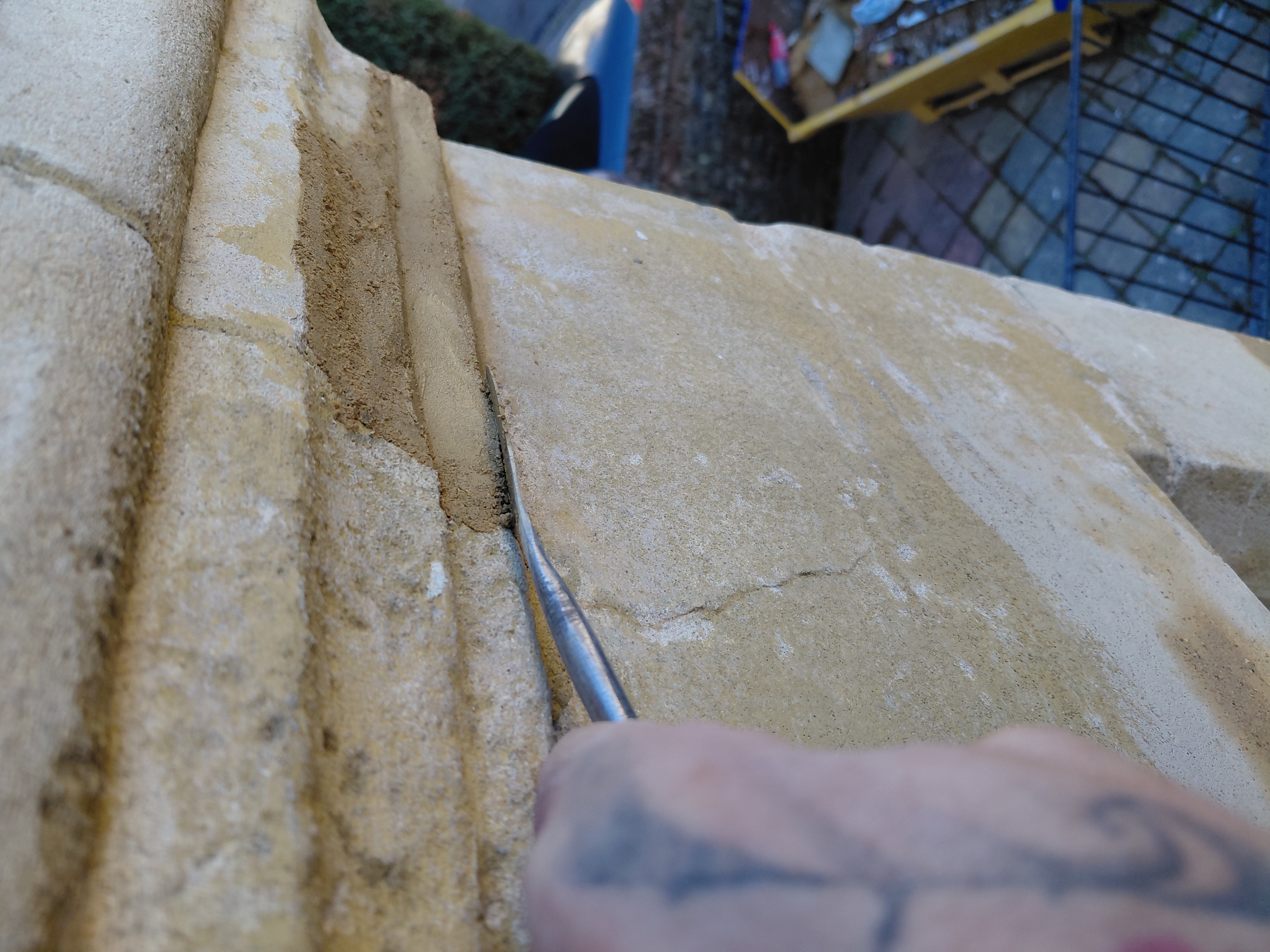
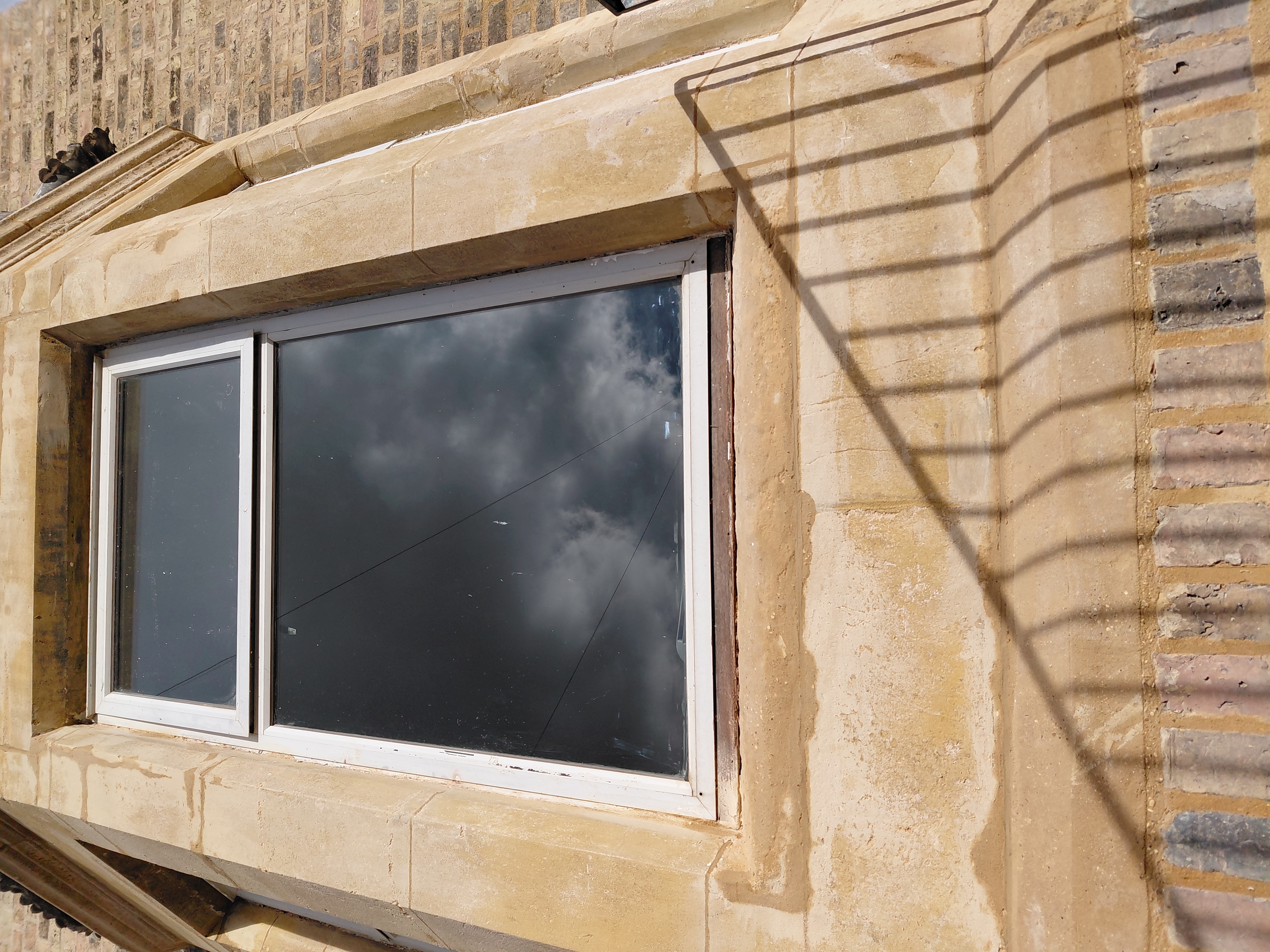
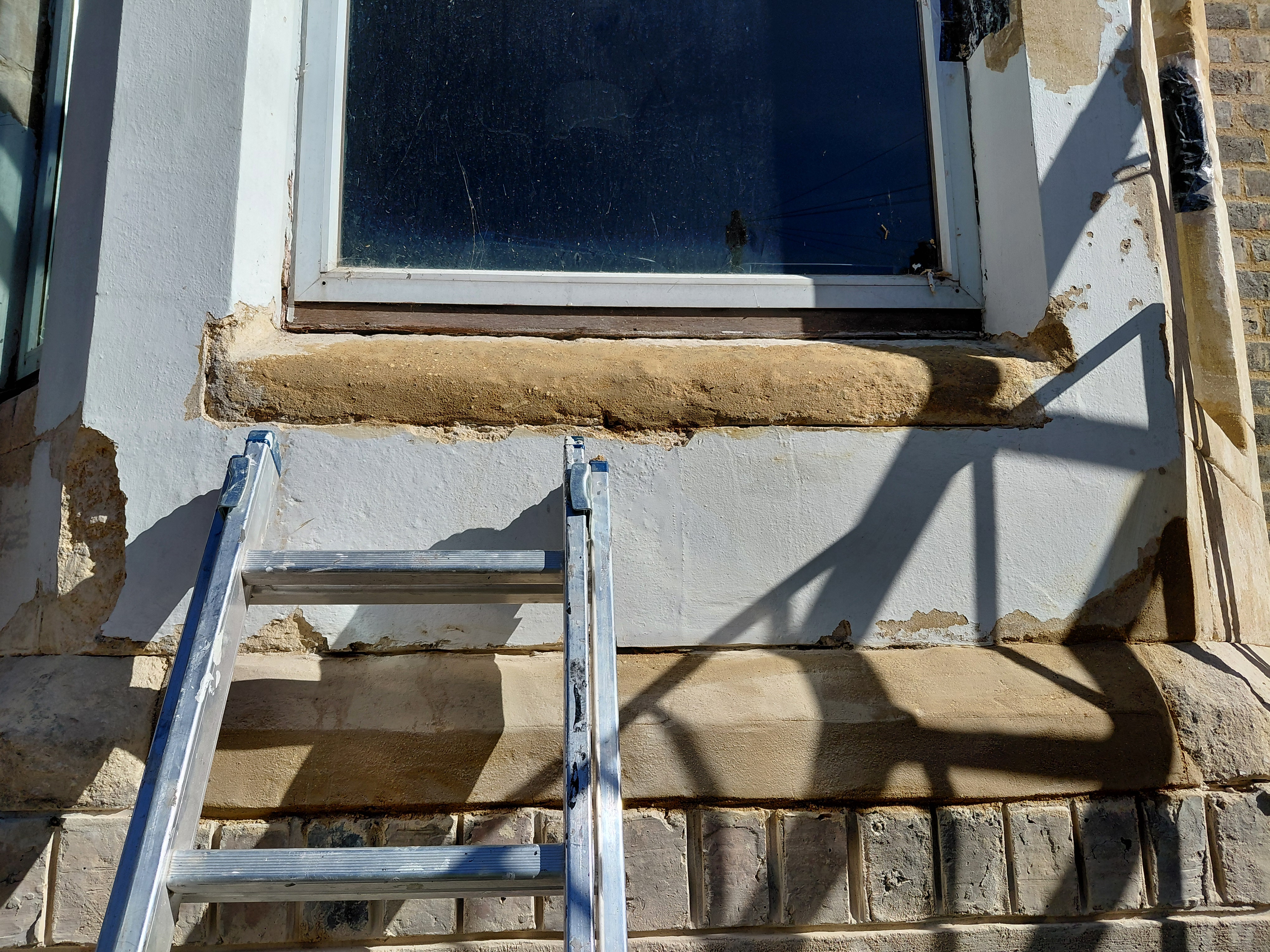
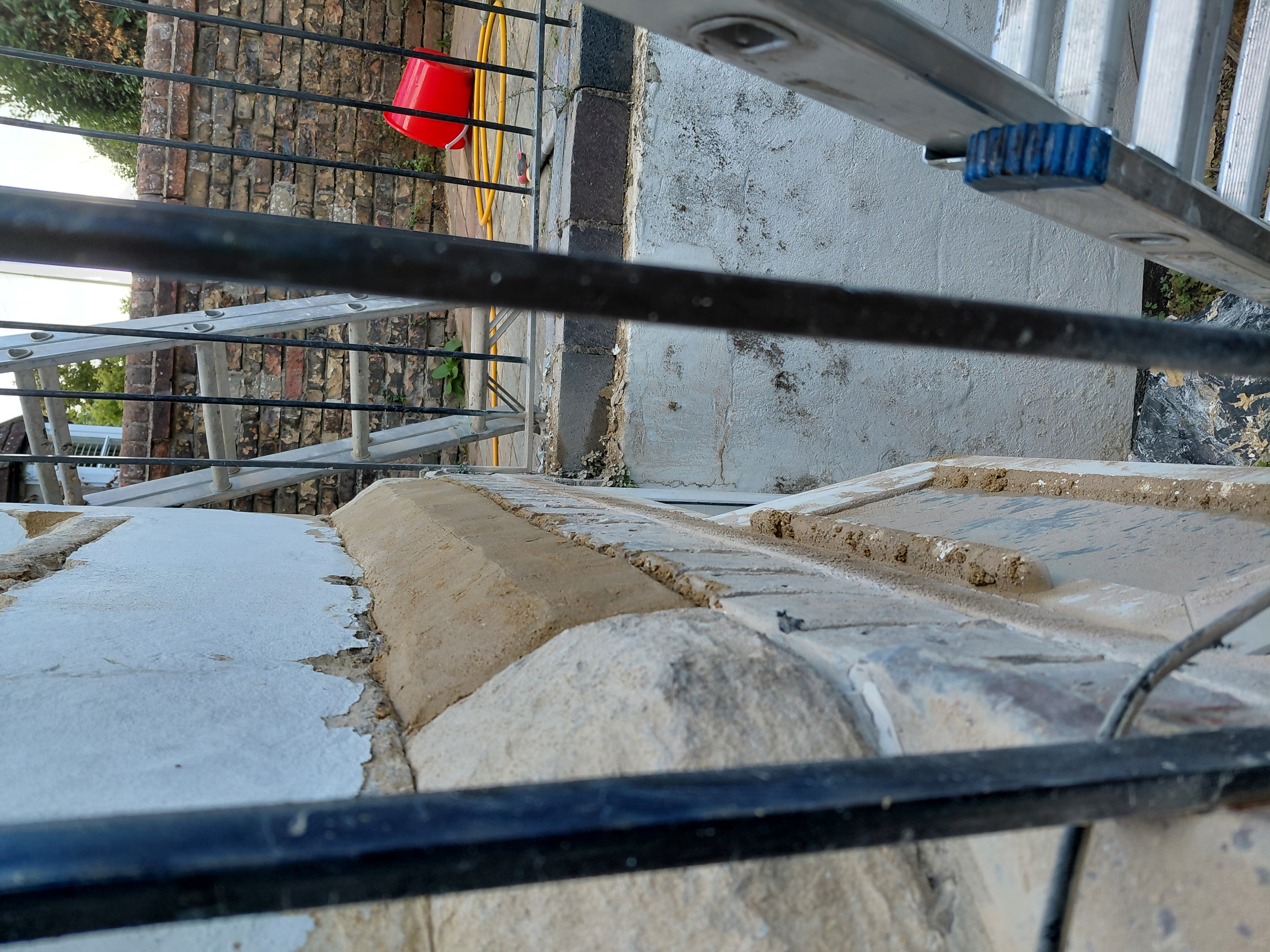
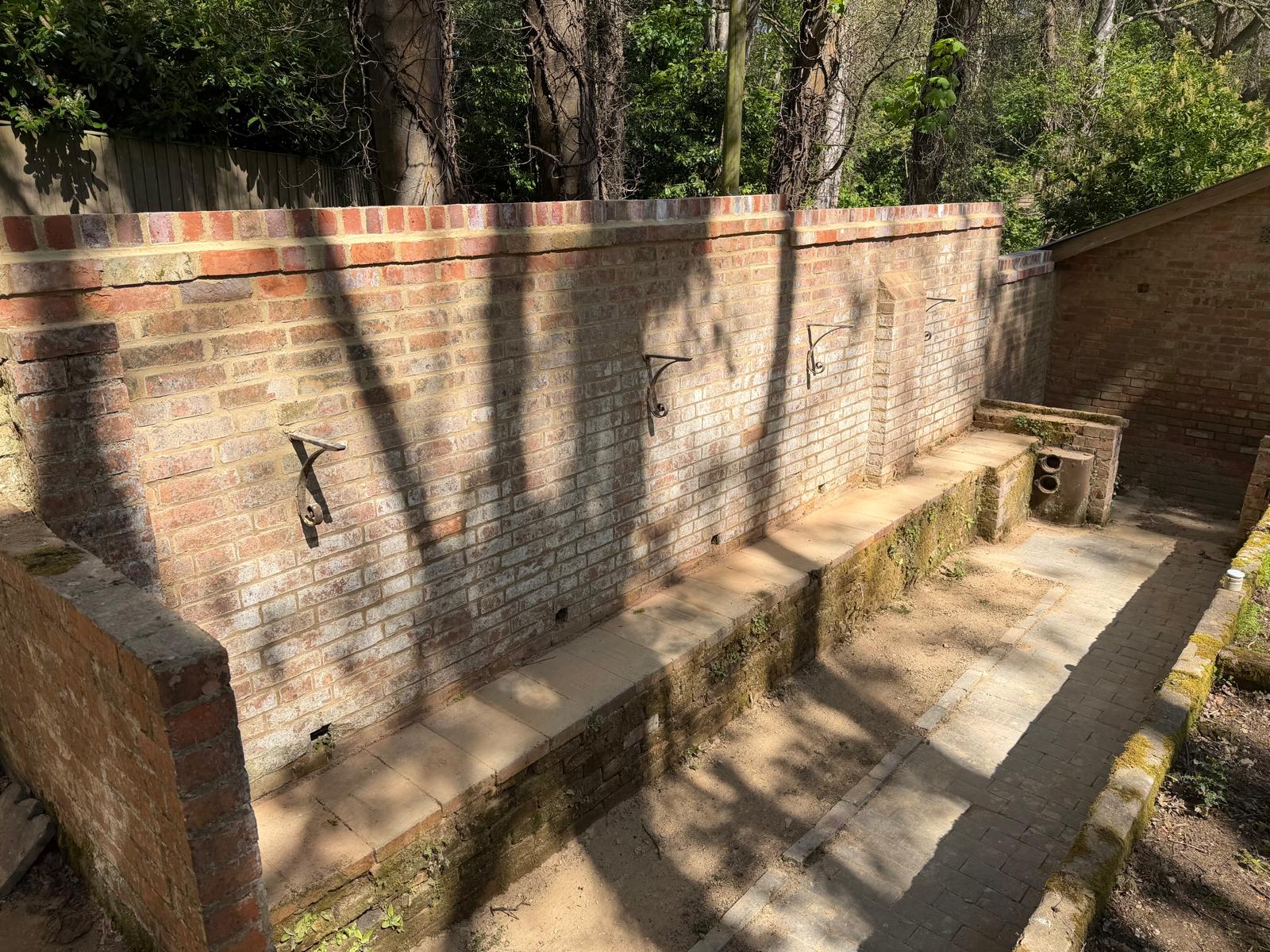
We restore, repair, and reset damaged stone cappings and wall copings to prevent water ingress, preserving the integrity of garden walls, parapets, and chimneys.
Specialist Acid Wash & Clean Downs
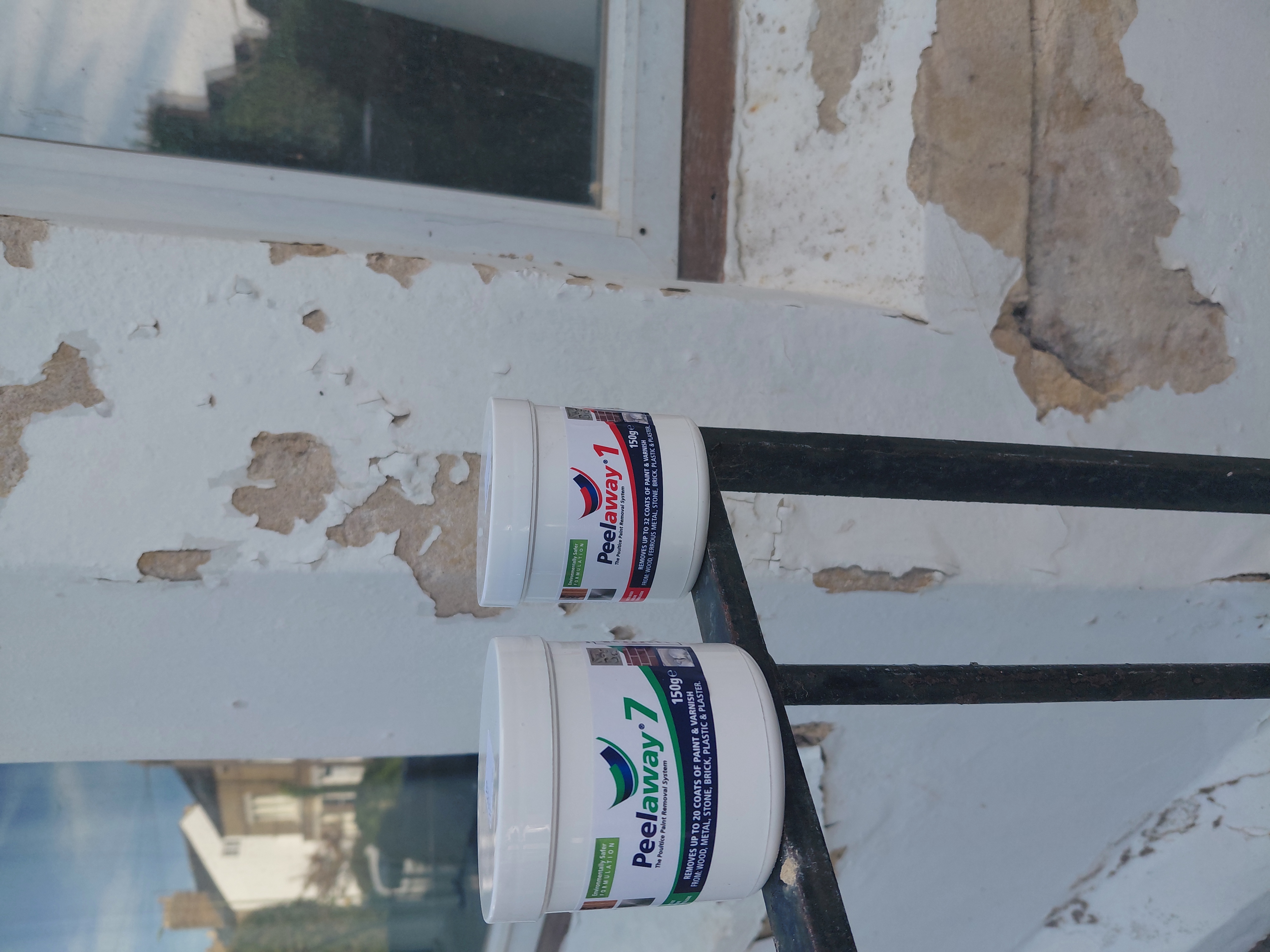
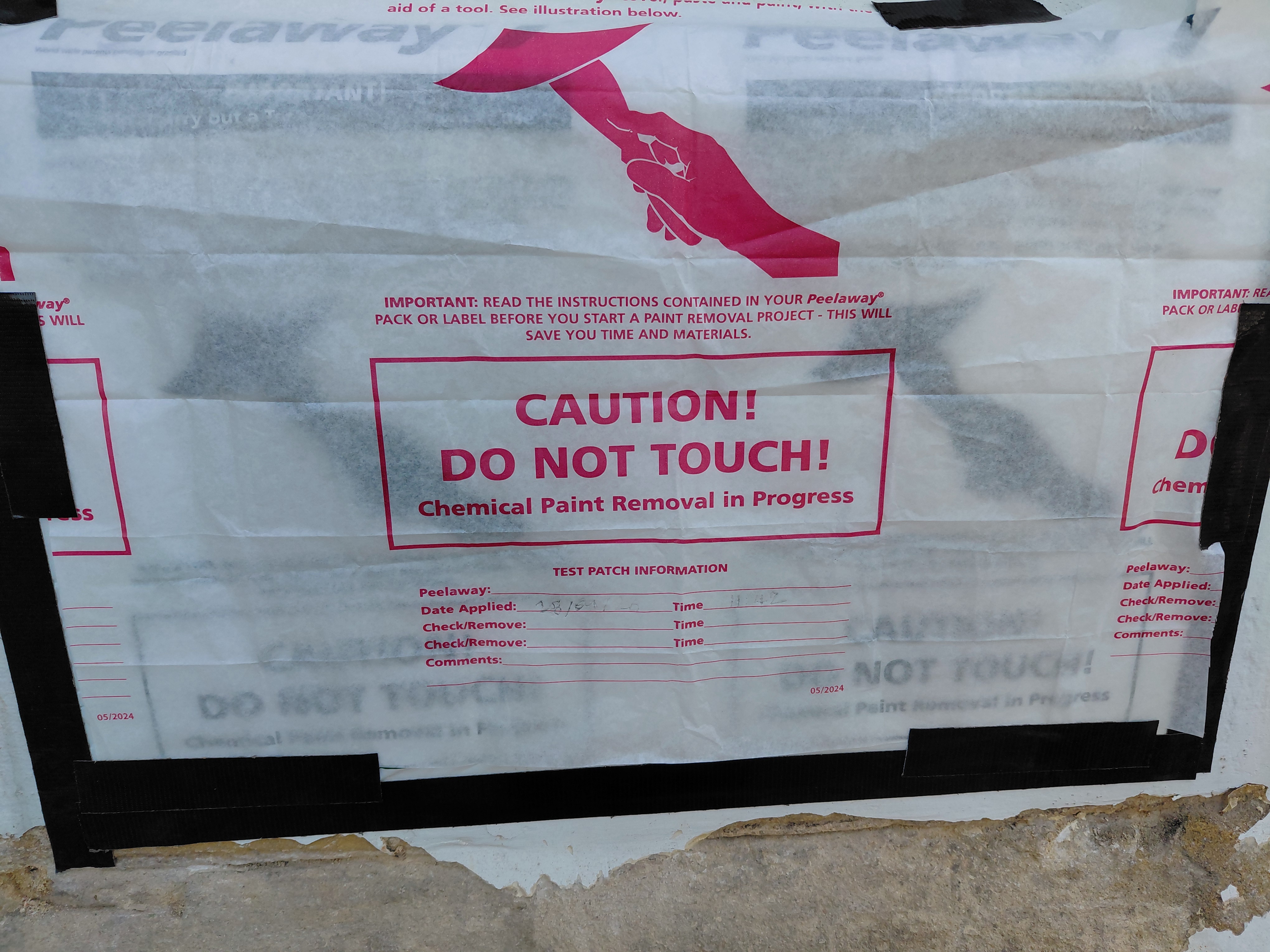
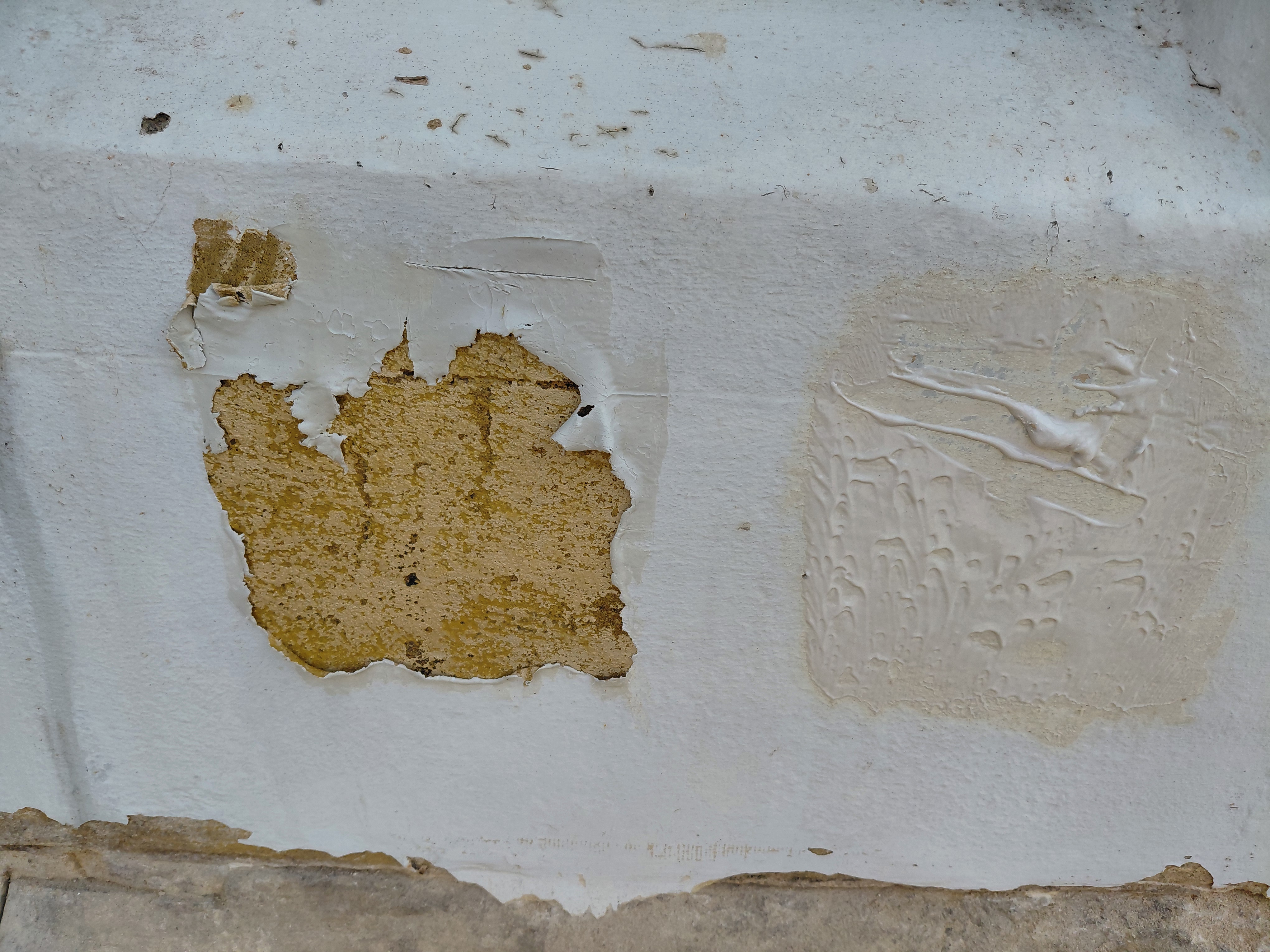
Using controlled, non-destructive chemical washes and delicate cleaning techniques, we safely remove decades of carbon staining, efflorescence, paint, and organic growth to reveal the original beauty of your masonry.
Committed to Professional Development
We believe in constantly refining our trade. We are currently undertaking specialist facade restoration training with Priestman Associates LLP, ensuring our approach to traditional lime mortars, vapor-permeable finishes, and historic masonry is guided by current industry standards and best practices.
Why Lime Matters for Historic Buildings
Older buildings don't work like modern ones they need to breathe. Period brick and stone rely on lime mortar to draw moisture out of the wall so it can evaporate naturally. When modern cement or plastic paints get applied over old masonry, they trap that wetness inside, which is what causes damp, spalling brickwork, and blown stone.
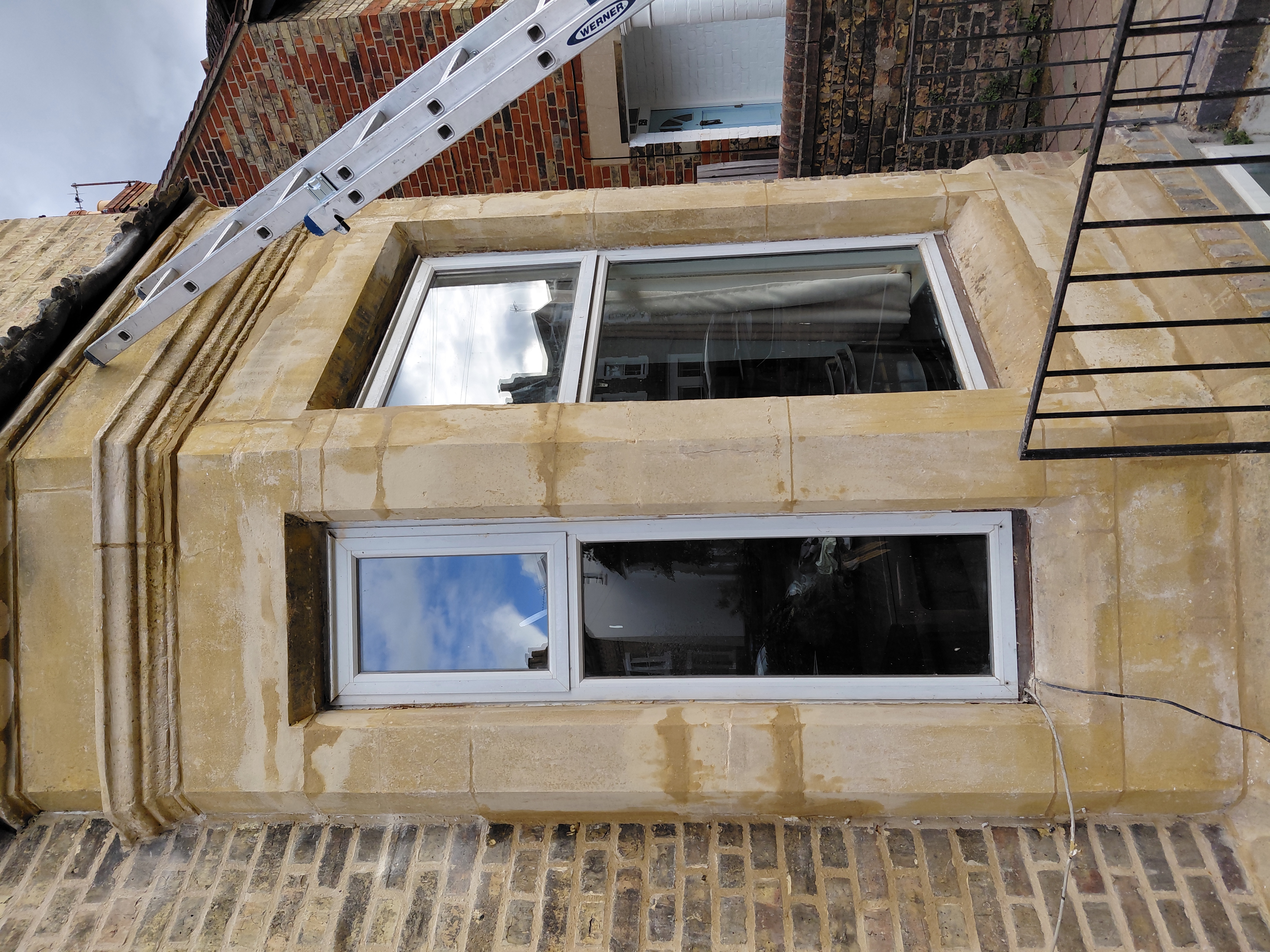
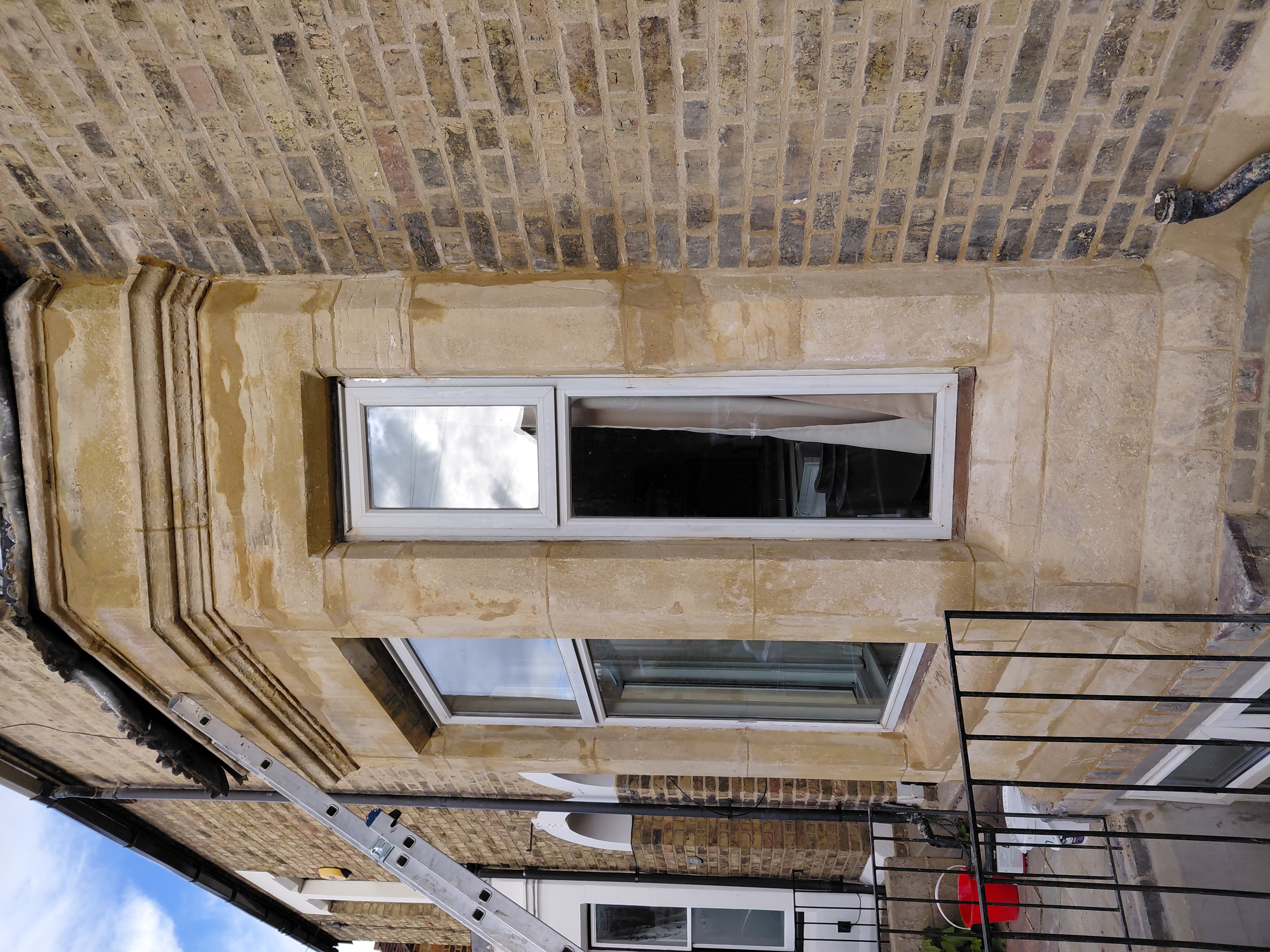
Doing the job right means matching the mortar to the building. Whether that's working with soft red rubbers using a traditional hot-mixed lime mortar, or picking the right NHL 3.5 blend for a exposed bay, the materials have to suit the brickwork. Just as important is what happens after the mortar is in the joints. Lime needs proper time to cure and carbonate, which takes real patience and constant monitoring on site to protect it from frost, wind, or drying out too quickly. It’s meticulous work from the initial prep right through to the final cure, but it’s the only way to make sure the repair lasts another hundred years.